
Media Literacy for the MEDIA: Please learn the difference between a Danish “Jurist” and an “Advokat”. A “Jurist” is NOT a lawyer.
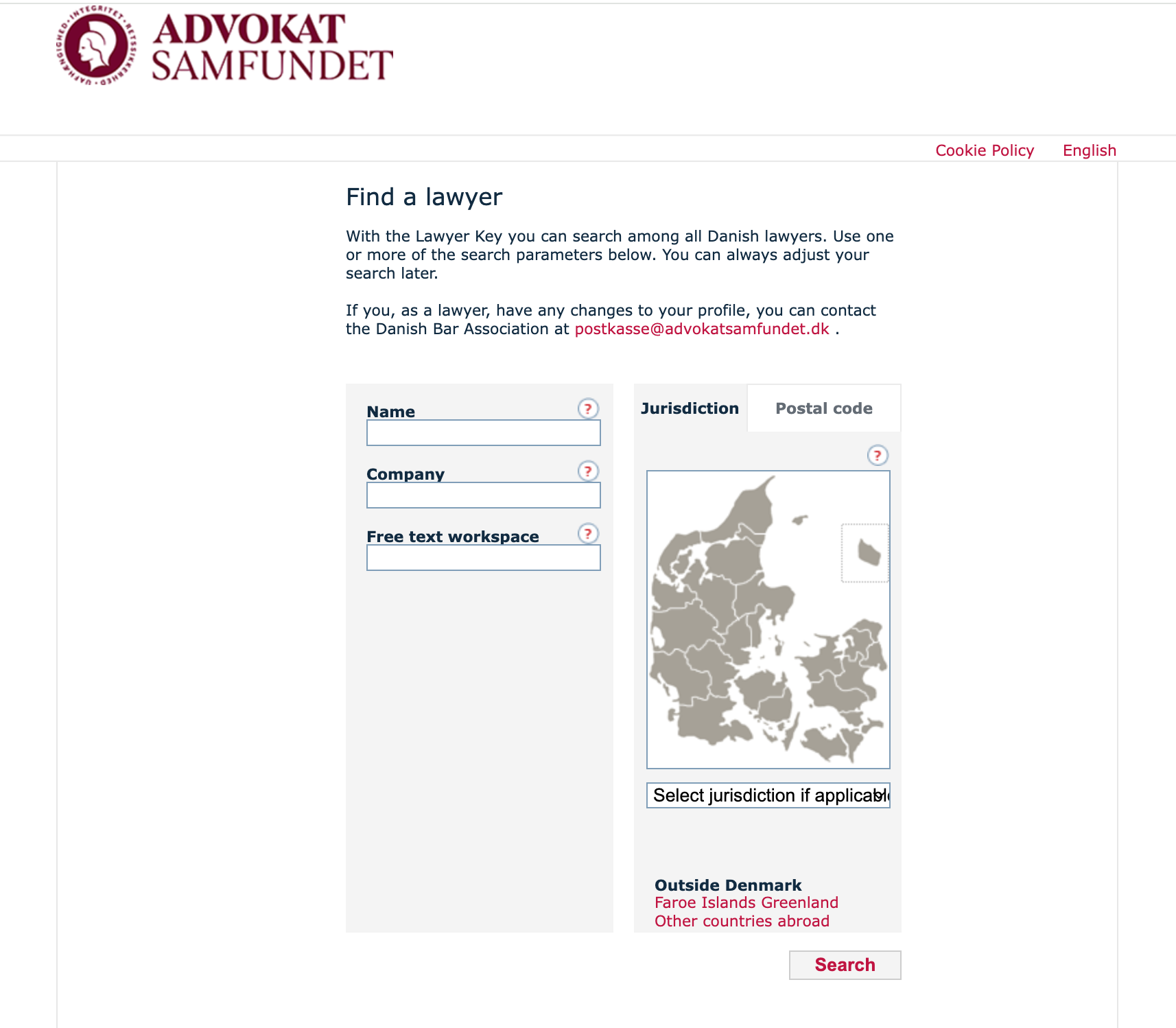
Above: If you want to check if someone is a lawyer or not in Denmark, you can simply enter their name in the Danish Bar (Danish Lawyer's) website, which lists ALL Danish lawyers:
https://www.advokatnoeglen.dk/?r=1
If they are NOT listed there, they are NOT a lawyer.
Recently an article was published which we believe may erroneously identify a Korean Adoptee individual as a “lawyer”. This could have been the fault of the journalist or the person who identified themselves as a “lawyer” — we don’t know.
Regardless of whose fault the presumed error is, we do NOT believe that someone who is NOT a lawyer should be identified as one in the press. Adoptees put their trust in people based on their public reputation, and we do NOT believe that Adoptees should be deceived.
We especially do not believe that Adoptees (or anyone else) should be deliberately deceived. We do not know if there was any deliberate deception in this case — something could have been lost in translation — but we would like to see this corrected in the article.
This is unfortunately not the first instance of someone connected to the Danish group mentioned in the article calling themselves a “lawyer” when they are not one.
In Denmark, a “jurist” is NOT the same as an “advokat”. Only an “advokat” is a lawyer / attorney.
In the context of an article about transparency and trust, we think it is extremely important that a person’s ACTUAL job title is accurately represented.
+
The Korean press and everyone else needs to learn the distinction between a Danish "jurist" and an "advokat".
A jurist is NOT a lawyer / attorney.
If you want to check if someone is a lawyer or not in Denmark, you can simply enter their name in the Danish Bar (Danish Lawyer's) website, which lists ALL Danish lawyers:
https://www.advokatnoeglen.dk/?r=1
If a Danish person who claims to be a “lawyer” or “attorney” is NOT listed there, then they are very likely NOT a lawyer / attorney in Denmark.
In Danish usage there are important distinctions:
• Cand.jur. / jurist = someone with a law degree.
• Advokat = a licensed lawyer / attorney admitted to the Danish Bar and Law Society, authorized to practice law independently and represent clients professionally.
Many cand.jur. graduates never become advokater. They may work in:
• government ministries,
• courts,
• compliance,
• HR,
• academia,
• NGOs,
• policy organizations,
• corporate legal departments.
To become an advokat in Denmark, a person generally needs:
1 the cand.jur. degree,
2 practical legal training/employment,
3 additional professional requirements and certification,
4 admission through the Danish legal system and bar structure.
So if someone signs their name “(name), cand.jur.”, the safe interpretation is: “The person has a formal law degree.”
—not necessarily: “The person is a practicing attorney.”